How to Choose a Baby Bottle: Materials, Nipples and Sizes
A simple guide to choosing a baby bottle: which material suits you, how nipple flow works, what size to buy and how many you need.
By The Shoishop team · · Updated · 2 min read
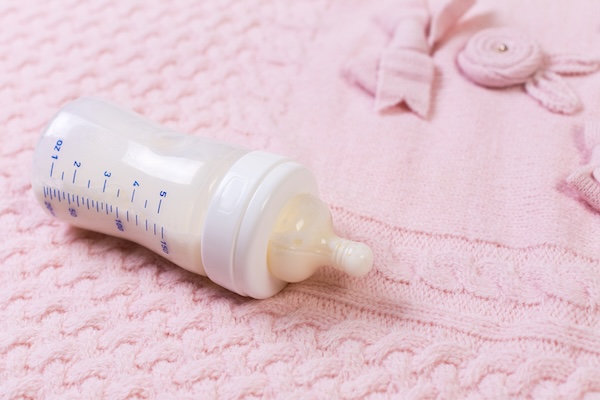
There are dozens of baby bottles on the market, and most look alike. A few details really do make a difference to how easy a bottle is to use and to keep clean. Here is what to look at.
1. Material
| Material | Good to know |
|---|---|
| Plastic (PP) | Light, cheap and hard to break. Look for “BPA-free” on the label. Can scratch or cloud over time. |
| Glass | Easy to clean and does not hold smells. Heavier and can break, so some are sold with a silicone sleeve. |
| Silicone | Soft, light and hard to break. Often costs more and can hold on to smells. |
| Stainless steel | Durable and light. You cannot see the level of milk inside, and they are less common. |
2. Nipple shape and flow
The nipple matters as much as the bottle. Nipples are sold by flow rate, usually marked with a size or age. Newborns usually start on the slowest flow. If milk dribbles out of the baby’s mouth or the baby gulps and coughs, the flow may be too fast; if feeding is slow and tiring, it may be too slow. Babies are different, so it can take a little trial and error.
Nipples wear out. Replace them if they become sticky, torn or change shape.
3. Size and how many to buy
- Small bottles (around 120–150 ml) suit the first weeks.
- Larger bottles (around 240–260 ml) are more useful as your baby drinks more.
- Start with three or four bottles, then add more once you know which style your baby accepts. Many babies are fussy about nipples.
4. Anti-colic vents
Many bottles have a vent or valve meant to reduce the air a baby swallows. It can help some babies, but it is not a guarantee, and it adds one more part to wash.
Checklist before you buy
- Marked BPA-free and made for babies.
- Heat-resistant, and the maker says it can be sterilised or washed hot.
- Few parts, wide neck: easier to fill and to clean.
- Spare nipples and parts are easy to buy.
- Clear measurement marks that will not wash off.
Looking after bottles
Wash and sterilise new bottles before first use, following the maker’s instructions, and wash them thoroughly after every feed. Throw away any bottle that is cracked or chipped.
This guide is general shopping advice, not medical advice. If your baby has trouble feeding, talk to your paediatrician or a lactation consultant.
Related guides
- Checklists
Newborn Essentials Checklist: What You Really Need for the First Months
A realistic checklist of newborn essentials by category: clothes, feeding, diapering, sleeping and bathing, plus what you can safely wait to buy.
10 October 2026 · 1 min read
- Checklists
Hospital Bag Checklist: What to Pack for Mom and Baby
A practical hospital bag checklist for the birth: documents, things for mom, things for your newborn and a few items for whoever is with you.
10 October 2026 · 1 min read
- Buying guides
How to Choose a Baby Stroller: A Buyer’s Guide
What to consider when buying a baby stroller: type, weight and fold, wheels, harness, canopy and your budget, with a checklist to use in the shop.
10 October 2026 · 2 min read